Checkride Prep: How to Walk Into Your FAA Practical Test with Confidence
by Red Arrow Flight Academy
6 min read ·
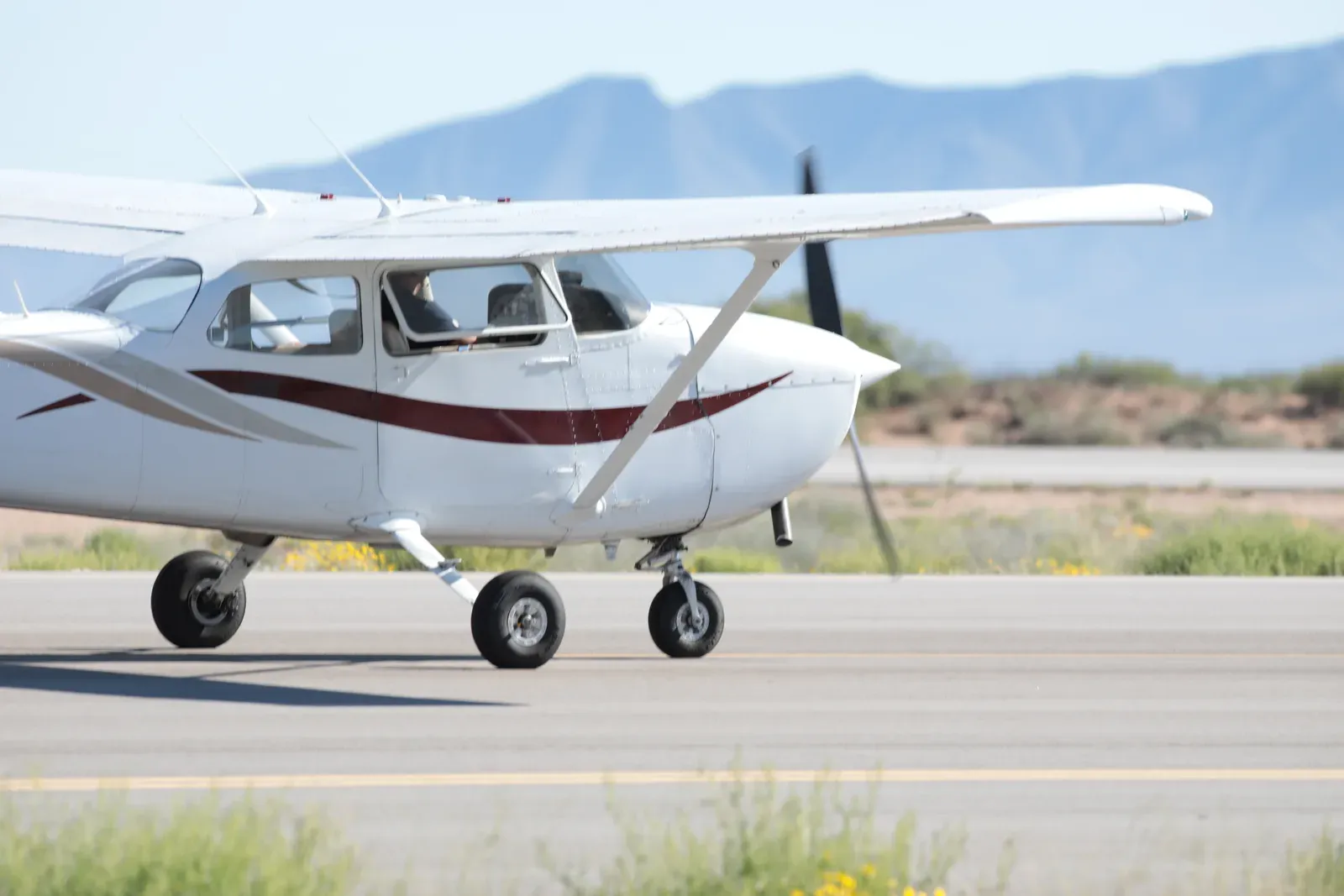
Your checkride is the last step between you and your next certificate, and the students who pass it are rarely the ones with the most natural talent. They’re the ones who prepared deliberately. Whether you’re going for your Private Pilot, Instrument Rating, Commercial or CFI certificate, the FAA practical test follows a predictable structure: a ground (oral) portion followed by a flight portion, both graded against a published standard.
At Red Arrow Flight Academy, our Part 141 curriculum builds toward this day from your very first lesson at Doña Ana County International Jetport (KDNA). Here’s how to use that structure, and the weeks before your test, to walk in confident.
1. Know the standard you’ll be graded on
The Airman Certification Standards (ACS) for your certificate is your examiner’s playbook. It lists every area of operation, every task, and the exact knowledge, risk-management and skill elements you’ll be evaluated on, including the tolerances for altitude, heading and airspeed. Download the current ACS from the FAA website and read it cover to cover at least twice before test day.
A simple way to use it: go task by task and mark each one green (solid), yellow (shaky) or red (needs work). Bring the yellow and red items to your instructor so your final lessons target your real weak spots.
2. Get your paperwork right early
More checkrides are delayed by paperwork than by flying. At least a week out, sit down with your instructor and confirm you have:
- A completed, instructor-signed application in IACRA
- Your knowledge test report (if your certificate requires one)
- Required logbook endorsements, including the recommendation for the practical test
- A current medical certificate (where required) and government-issued photo ID
- Your logbook, with aeronautical experience requirements totaled and easy to find
- The aircraft’s documents: airworthiness and registration certificates, POH, weight and balance, and maintenance logbooks showing required inspections
Tab the inspection entries in the maintenance logs. Your examiner will ask you to show the aircraft is airworthy, and flipping through pages under pressure is no fun.
3. Prepare for the oral like a conversation, not a quiz
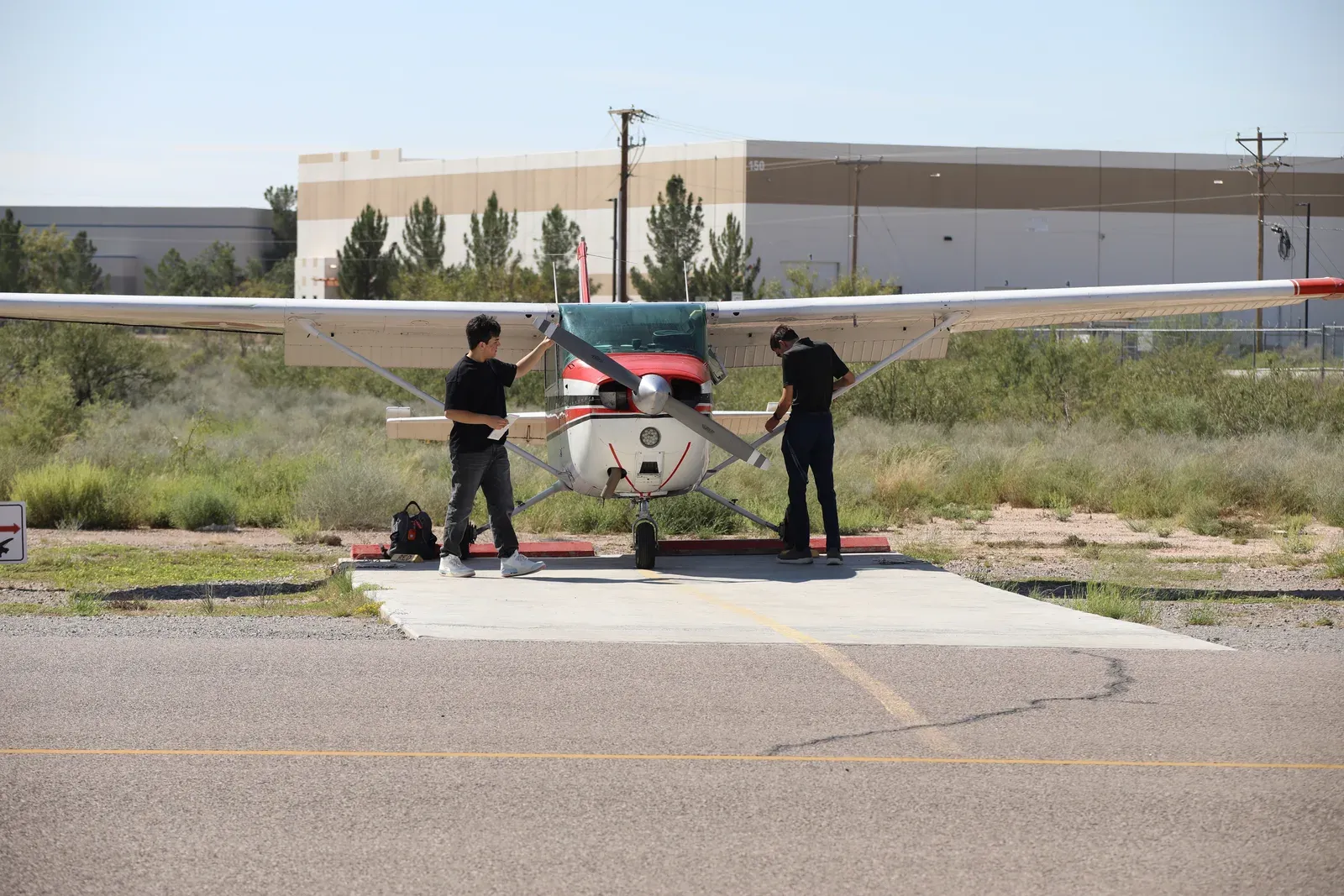 An instructor and student review the aircraft together at Red Arrow — the best rehearsal for the oral portion.
The ground portion is where many applicants feel the most nervous, but it’s also where preparation pays off most directly. Examiners want to see that you understand the material well enough to apply it, not that you’ve memorized a stack of flashcards.
- Plan the cross-country you’re assigned. Most examiners send a route ahead of time. Do the full planning yourself, including weather, NOTAMs, performance and weight and balance, and be ready to explain every number.
- Practice out loud. Have your instructor, a fellow Red Arrow student or a family member quiz you. Explaining a concept in your own words is the fastest way to find gaps.
- Use scenarios. Instead of asking “What are the VFR weather minimums?”, ask “Could I legally depart KDNA right now?” and walk through the whole decision.
- Know your aircraft. Systems, limitations, emergency procedures and performance for the airplane you’ll fly are fair game.
- It’s fine to look things up. If you don’t know an answer, say so and show where you’d find it in the FAR/AIM, POH or chart supplement. Knowing how to find the right answer is part of being a safe pilot.
4. Polish the flight portion
By checkride time you’ve flown every maneuver many times. The goal now is consistency: flying each one to ACS standards on the first try, while managing the airplane like a pilot in command.
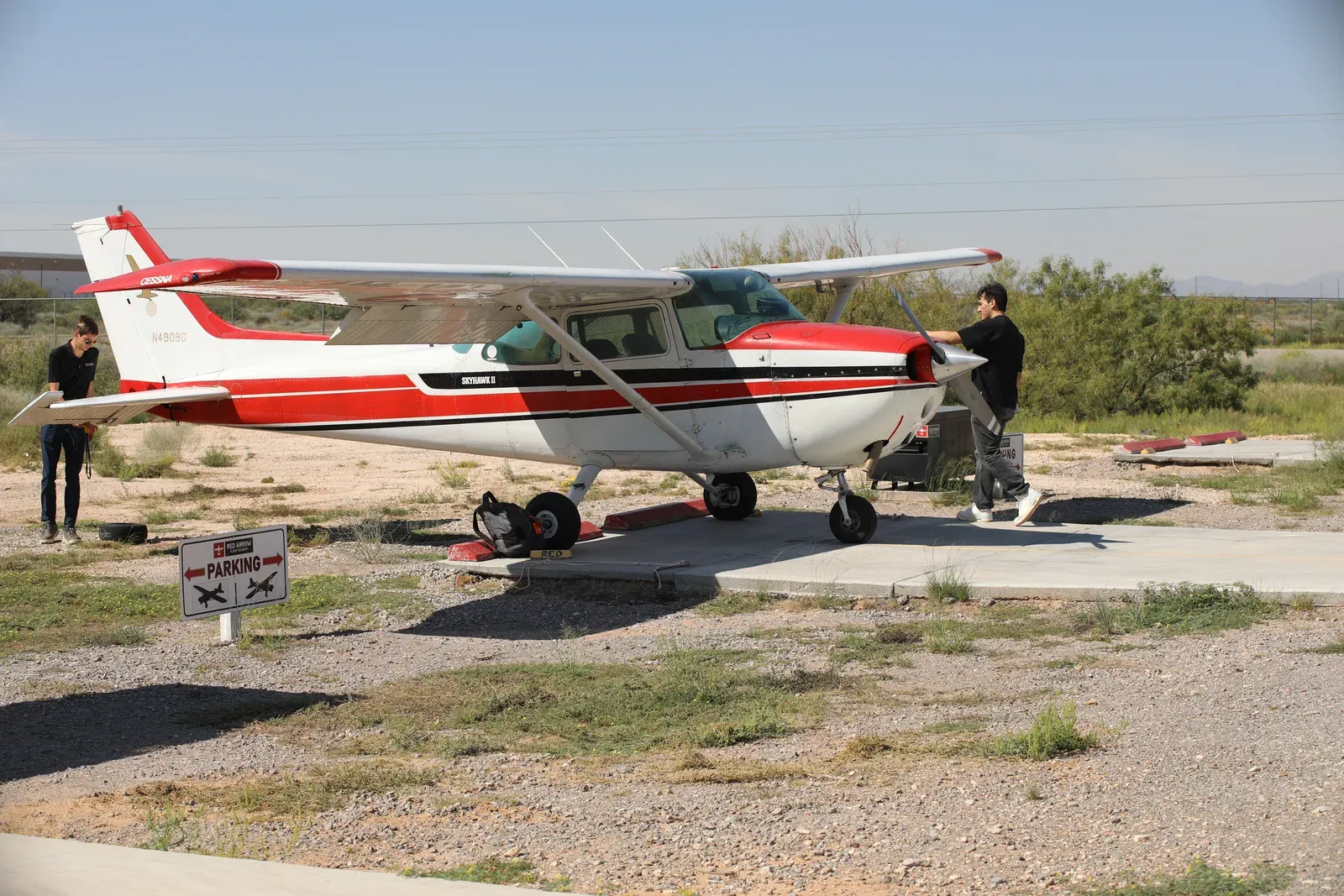 A methodical preflight sets the tone — examiners notice good habits before you ever leave the ground.
- Fly a mock checkride. Ask your instructor to run a full practice test, start to finish, with no coaching. In our Part 141 program, stage checks give you this experience along the way, so use them as rehearsals.
- Chair-fly every maneuver. Sit at home, close your eyes and talk through each maneuver: entry altitude, airspeed, power setting, visual references and recovery.
- Use the simulator. Red Arrow’s Redbird FMX full-motion simulator is a great place to rehearse emergencies, instrument approaches and procedures without the cost of aircraft time.
- Fly like PIC from the start. Thorough preflight, clear briefings, checklist use and clearing turns count. Examiners notice good habits before you ever leave the ground.
- Know the local environment. Be comfortable with the KDNA area, nearby airspace around El Paso and Las Cruces, high density altitude on hot afternoons, and gusty desert winds.
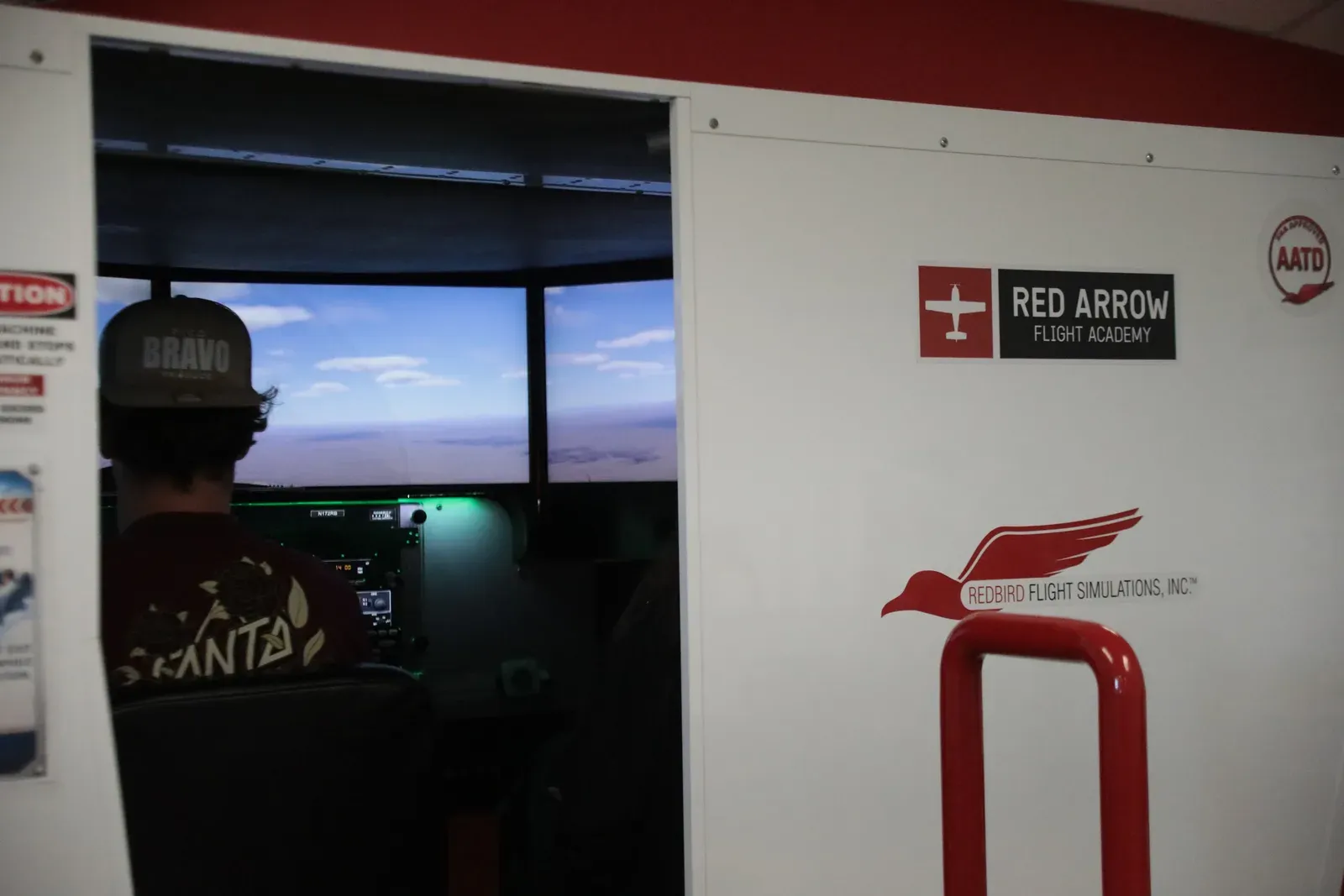 Red Arrow’s Redbird FMX full-motion simulator is a low-cost way to rehearse emergencies and approaches.
5. Your day-before and day-of checklist
The day before
- Re-check your paperwork and IACRA application
- Confirm the aircraft is scheduled, fueled and squawk-free
- Finalize your cross-country plan with the latest weather
- Pack your headset, charts or EFB (fully charged), plotter, E6B, fuel tester and pens
- Stop studying by early evening and get a full night of sleep
Test day
- Eat a real meal and bring water and a snack
- Arrive early so you’re not rushed
- Update your weather briefing and weight and balance
- Bring the examiner’s fee and your ID
- Take a breath. You’ve been trained for this.
6. If something doesn’t go perfectly
No checkride is flawless, and examiners don’t expect it to be. What they want to see is that you recognize a mistake and correct it safely. If you drift outside tolerances, say so, fix it and keep flying. Don’t let one imperfect maneuver rattle you for the rest of the flight.
If the weather turns or the aircraft has an issue, your examiner can stop the test and let you finish another day without counting it against you. And if a task doesn’t meet the standard, it isn’t the end of the road. You’ll get additional training on that area, and the retest typically covers only the tasks that weren’t completed. Plenty of excellent pilots needed a second try.
Ready for your checkride? We’ll get you there.
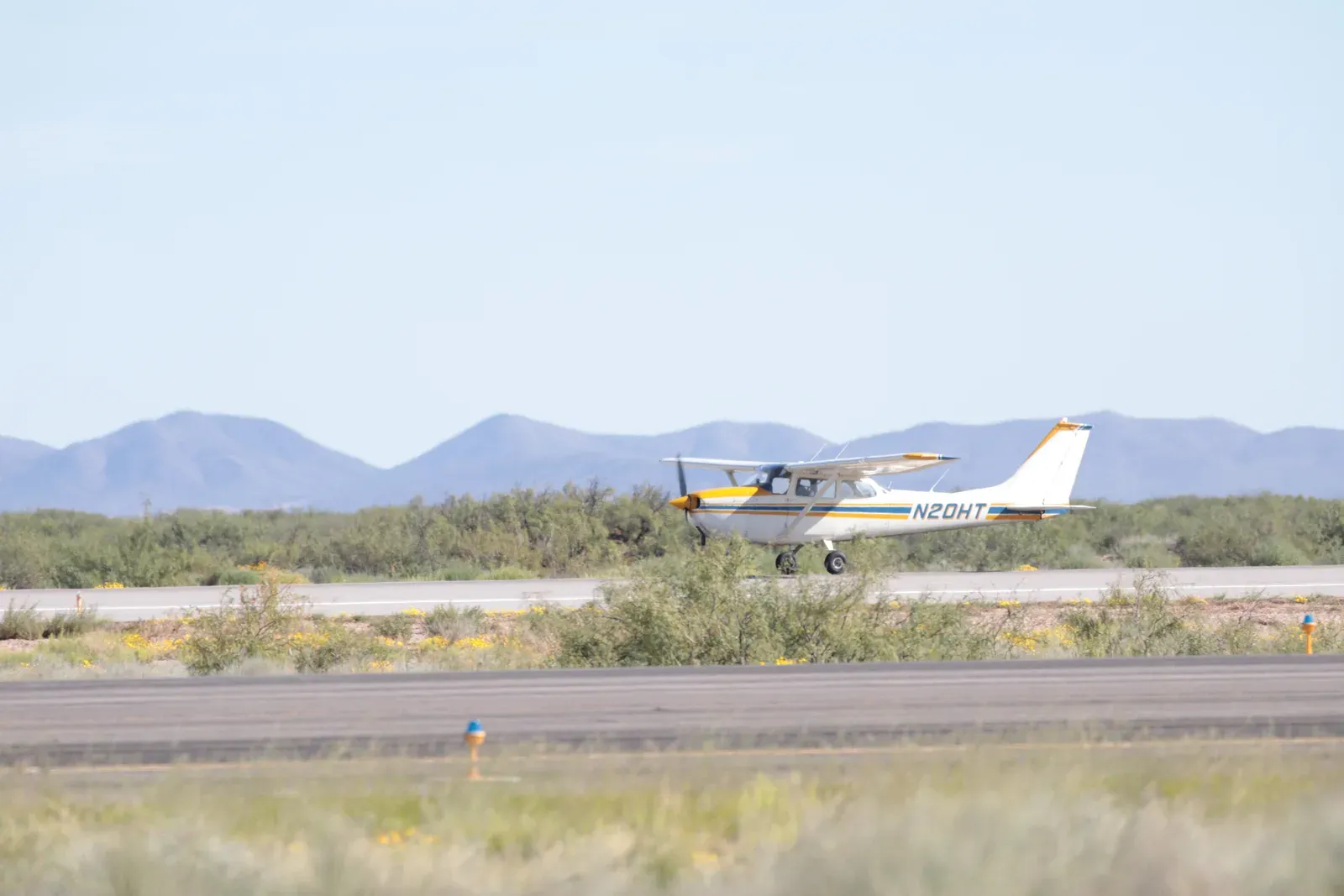 A Red Arrow Cessna on the runway at Doña Ana County International Jetport (KDNA), Franklin Mountains behind.
At Red Arrow Flight Academy, checkride preparation isn’t a last-minute cram. It’s built into our structured Part 141 training, with stage checks, experienced instructors, a Redbird FMX full-motion simulator and a fleet chosen to match each stage of your training.
Whether you’re preparing for your first checkride or your next rating, our team is here to help. Call us at (575) 201-6160 or visit flyredarrow.com to schedule a visit or book a discovery flight.
Reach Out Today